Surfaces Built to Handle Florida Weather
Paver Sealing in Palm Coast for driveways, patios, and pool decks exposed to year-round outdoor conditions
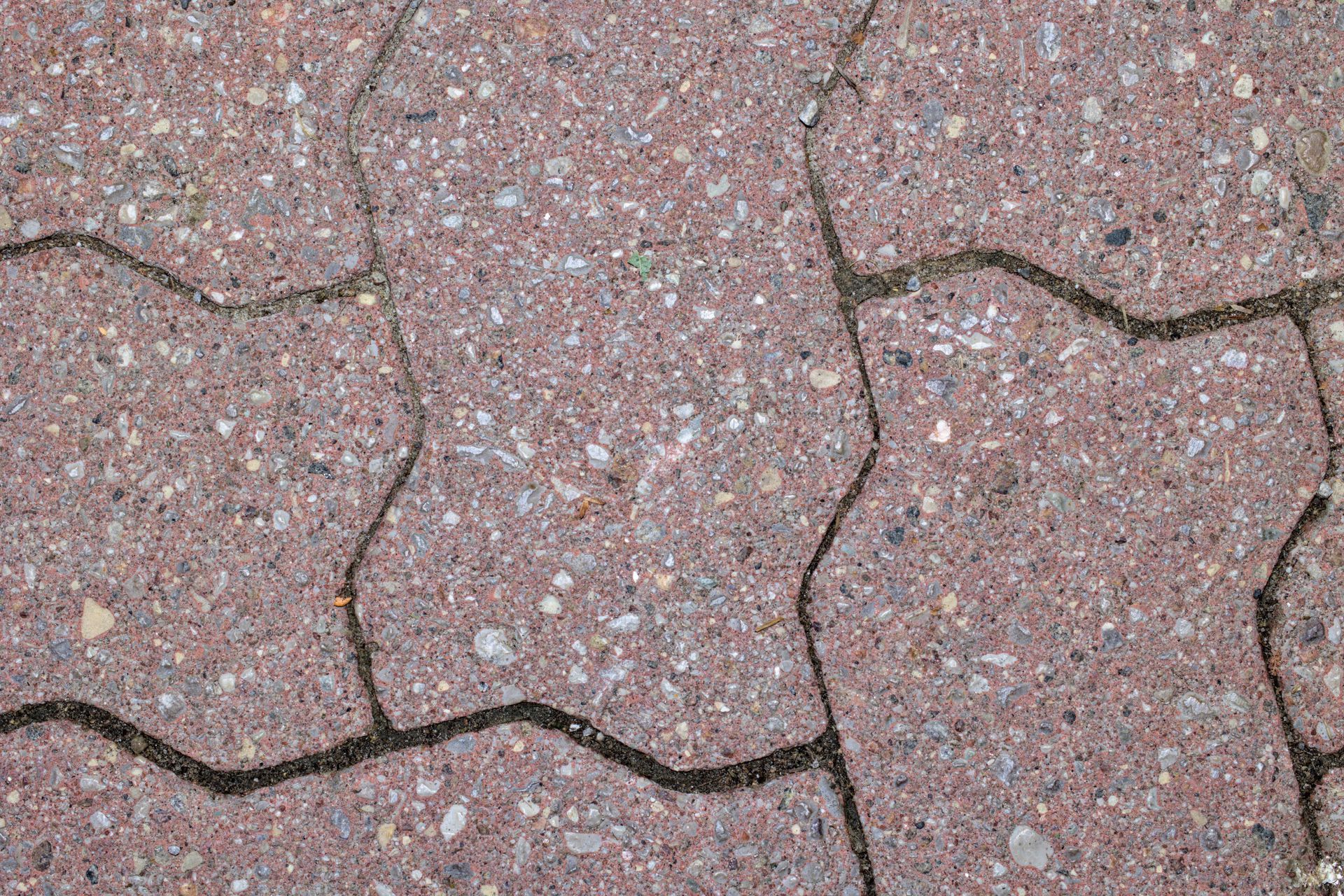
Unsealed pavers absorb moisture, collect organic staining, and show color fading across seasons of sun exposure and rain cycles common to the Florida climate. The service brings a protective layer to paver surfaces after thorough cleaning and preparation, reducing the rate at which dirt embeds into porous stone and helping maintain the color contrast between individual units. Florida Soft Wash completes paver sealing for driveways, walkways, pool decks, and patio installations where appearance and surface durability matter to property owners in Palm Coast.
Sealing involves surface cleaning to remove existing staining and embedded debris, joint sand stabilization to prevent washout, and application of a breathable sealer formulated for exterior paver materials. The process addresses both the functional need to slow moisture penetration and the aesthetic goal of maintaining a finished appearance between cleaning intervals.
Schedule a property evaluation to assess paver condition and determine whether sealing is appropriate for your installation.
How Sealing Protects Paver Installations
Preparation begins with a full cleaning of the paver surface using controlled pressure washing to extract embedded dirt, algae, and residue from both the paver face and the joints between units. Once the surface dries completely, joint sand is inspected and replenished where gaps exist, creating a stable base that resists erosion during Florida's heavy rain events.
After sealing, you notice pavers that shed water rather than absorbing it, colors that appear more saturated and consistent across the installation, and a surface that resists immediate staining from leaves, dirt, and organic matter. The sealed finish also makes routine cleaning easier since new dirt sits on top of the protective layer instead of soaking into porous stone.
Sealer performance depends on surface traffic, sun exposure, and the frequency of chemical contact from pool water or cleaning products. Most residential paver installations benefit from reapplication every two to three years, though high-traffic driveways or pool decks may show wear sooner depending on use patterns.
Common Questions About Paver Sealing
Homeowners considering sealing services typically want to understand what the process involves and how it affects their outdoor spaces.
What does sealing actually change about paver appearance?
Sealing deepens the natural color of the pavers, adds a subtle sheen depending on the sealer finish selected, and creates uniformity across the surface by evening out color variations that develop from weathering and staining.
How long does the sealer need to dry before use?
Most sealer formulations require 24 to 48 hours of dry conditions before foot traffic and longer before vehicle use, which means scheduling around Palm Coast's afternoon rain patterns during summer months is necessary for proper curing.
Why do some pavers show white haze after sealing?
Haze occurs when sealer is applied to damp pavers or when moisture rises through the stone during curing, trapping minerals between the sealer and the paver surface, which is why complete drying after cleaning is required before application begins.
What happens to joint sand during the sealing process?
Properly applied sealer stabilizes joint sand by hardening the top layer, which reduces the amount of sand lost to rain, pressure washing, and everyday use while maintaining flexibility in the joints to accommodate minor movement.
When should sealing be delayed or avoided?
New paver installations benefit from waiting 60 to 90 days before sealing to allow efflorescence to surface and dissipate naturally, and damaged pavers with cracks or chips should be replaced before sealing to avoid locking in existing defects.
Florida Soft Wash prepares and seals paver surfaces throughout Palm Coast with attention to surface condition, joint integrity, and weather timing. Contact (386) 302-8288 for a free paver sealing estimate and to discuss finish options suited to your installation type and exposure level.